Learn Mixing: Your Path to Becoming a Mixing Engineer
You don't learn mixing by lucky accidents — you learn it through system, feedback and practice. This guide shows you the fastest way to consistent, mastering-ready mixes and which learning path fits you.
Why mixing is the decisive skill in music production
A good song is born in the writing — a professional sound is born in the mix. Balance, punch, depth and clarity decide whether your production can stand next to commercial references.
The good news: mixing is learnable. It's not a talent mystery but a craft built on listening strategies, workflow and decision-making confidence. All three can be trained systematically — online, on your own setup.
What does a mixing engineer do?
A mixing engineer shapes the individual tracks of a production into one coherent picture: balancing levels, placing instruments in the stereo field, sculpting frequencies with EQs, controlling dynamics with compressors, and creating space and depth with reverb and delay. The goal: a mix that translates on every playback system and is ready for mastering.
In practice, mixing engineers work for artists, producers and labels — employed in studios or, increasingly, remotely as freelancers.
Self-study vs. coaching: what's the fastest way to learn mixing?
YouTube tutorials, video courses or live coaching? Each has its place — the difference is feedback.
| Self-study (YouTube & video courses) | Live coaching with feedback | |
|---|---|---|
| Cost | Free to a few hundred euros | An investment — often eligible for funding |
| Feedback on your mixes | None — you can't hear your own blind spots | Regular, from pros, on your own projects |
| Structure & system | Fragmented, often contradictory | A learning path that builds on itself |
| Speed | Often years of trial and error | Months to a reliable workflow |
| Ear training | Barely addressed | A core component |
Your learning path at Mastering Academy
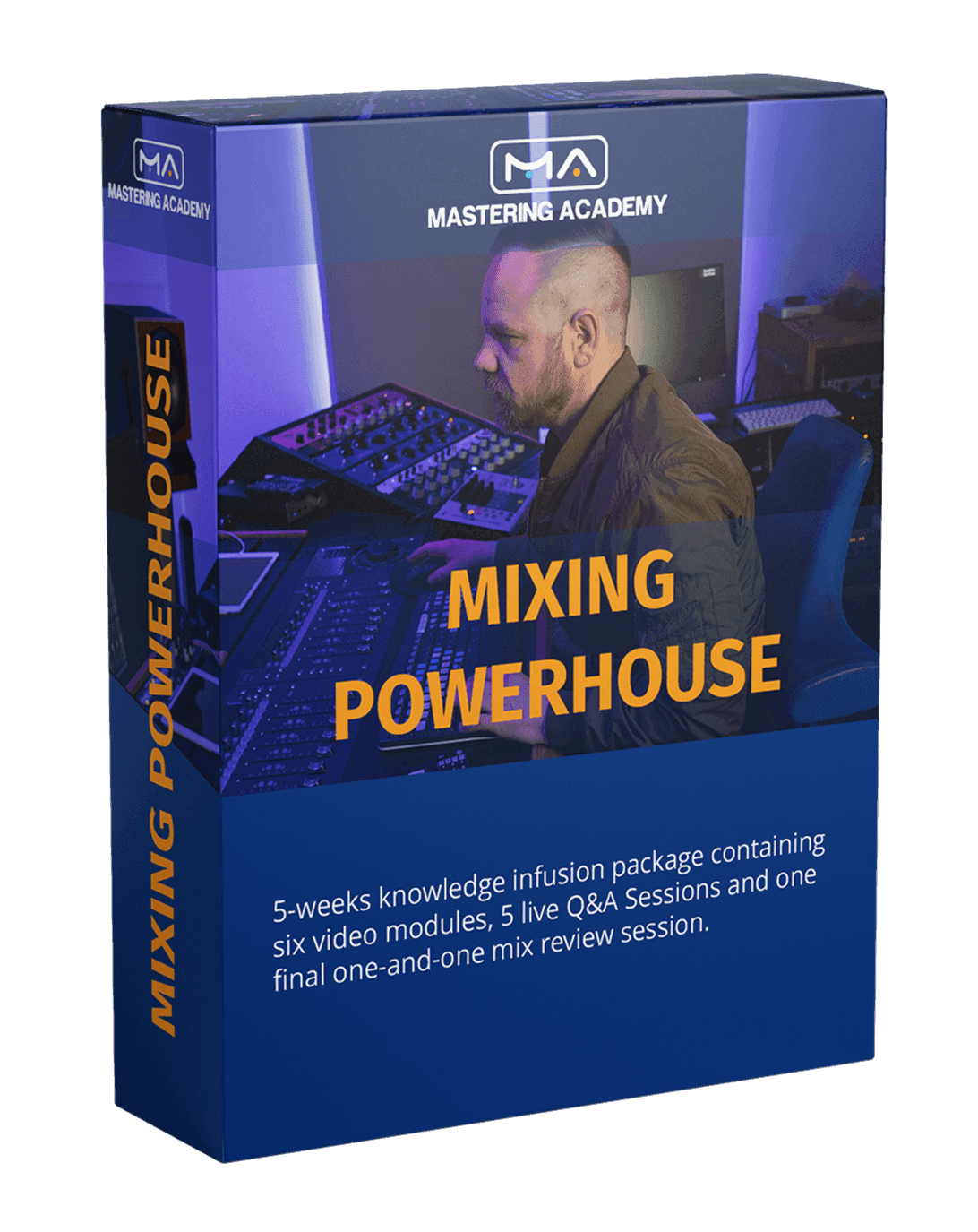
Two routes, one goal: the compact video course with live Q&As for a systematic start — or personal coaching all the way to certified mixing engineer.
Requirements & equipment: what you actually need
- A DAW of your choice (Cubase, Logic, Studio One, Ableton …) — the coaching is DAW-agnostic
- Monitors or headphones — no high-end studio required; you'll learn to get the most out of your setup
- Basic DAW skills and first productions of your own
- Motivation and a few hours per week — you learn mixing by applying it
Frequently asked questions about learning mixing
Keep reading on the Newsblog
Next guide: Learn masteringReady to learn mixing?
Book a free consultation — together we'll look at where you stand and which path gets you to your goal fastest.
Book a free consultation